

AIDEVI Wellness Guide
Fisetin Benefits: Human Evidence, Safety & Supplement Labels
Fisetin is a plant flavonol that has attracted interest for its antioxidant and “senolytic” potential, but the strongest evidence is still preclinical. Human studies have tested it for specific medical settings, short-term absorption, or blood markers; they do not establish a proven anti-aging benefit, a standard daily dose, or long-term safety for healthy adults.
- Human evidence is mixed and tied to specific populations, formulations, or biomarkers.
- A higher blood level from one delivery system does not prove a better health outcome.
- Study doses are not consumer recommendations. Compare the amount per serving, the full ingredient list, and the label directions.
What is fisetin?
Fisetin is a flavonol found in some fruits and vegetables, including strawberries, apples, and onions. Researchers study isolated fisetin and specialized formulations at amounts that are not equivalent to eating a serving of produce. Foods can be part of a balanced diet, but their fisetin content should not be treated as a clinical dose.
In cells and animals, fisetin has been studied for antioxidant activity, inflammation pathways, and effects on senescent cells. These experiments help researchers form hypotheses. They do not show that an over-the-counter product removes senescent cells in people, slows human aging, or prevents age-related disease.
What does human research on fisetin show?
The studies below answer different questions. Some enrolled people receiving medical treatment; one measured how a particular formulation entered the bloodstream; and a recent exercise study measured short-term blood markers. Their findings cannot be combined into a general promise about fisetin benefits.
| Study and participants | Dose and duration | What it found | Main limitation |
|---|---|---|---|
| Colorectal cancer patients receiving chemotherapy; 37 people | 100 mg/day for 7 weeks | Some inflammation-related markers changed. Only IL-8 showed a significant difference between fisetin and placebo groups. | A small, condition-specific adjunct study measured blood markers; it did not show that fisetin treats cancer or improves outcomes in healthy users. [1] |
| Acute ischemic stroke patients receiving rt-PA; 192 people | 100 mg with rt-PA, then 100 mg/day for 7 days | The trial reported better short-term stroke-scale scores with fisetin in the delayed-treatment subgroup, but not in the earlier-treatment subgroup. | This was hospital-based treatment alongside an emergency medicine, not evidence for self-treating stroke or taking fisetin for routine wellness. [2] |
| Healthy volunteers in a single-dose absorption study; 15 people | One dose each of unformulated fisetin and a specific hydrogel formulation, separated by a washout | The formulated product produced higher measured fisetin exposure in blood. Two mild gastrointestinal complaints were reported across the study periods. | Pharmacokinetics are not proof of a health benefit. Results apply to the tested formulation, not all fisetin supplements. [3] |
| Sedentary men with obesity in a 4-arm exercise trial; 60 randomized, 44 in the per-protocol analysis | 200 mg/day for 12 weeks, alone or with supervised training | Several inflammatory and metabolic blood markers improved in active groups; the largest changes were generally in the training-plus-fisetin group. | Small, male-only study using short-term markers rather than longevity or other long-term clinical outcomes. [4] |
What these results do—and do not—tell you
The absorption study is easy to overread. A 26.9-fold higher 12-hour blood-exposure measure for one hydrogel formulation means more fisetin was measurable in that specific comparison; it does not mean 26.9 times the health benefit. The 15-person study used single doses and measured no aging, cognitive, skin, or long-term health outcome. Its authors disclosed affiliations with the formulation developer and a supplement company, so independent confirmation would strengthen confidence. [3]
The cancer and stroke studies took place alongside medical care in narrow patient groups. They do not support self-treatment, adding fisetin during chemotherapy without a clinician’s guidance, or using it instead of urgent stroke care. The 2026 trial studied sedentary men with obesity and analyzed 44 participants in its per-protocol group. Changes in blood markers over 12 weeks do not show that benefits persist or apply to women, healthy adults, or other age groups. [1] [2] [4]
A separate registered phase I/pilot phase II study is recruiting healthy volunteers and older adults with multimorbidity to examine fisetin pharmacokinetics, safety, and tolerability. Its registry describes a short, body-weight-based dosing course and lists no results. A study registration is a plan to investigate a question, not evidence that the dose works or is appropriate for personal use. [5]
Are fisetin’s anti-aging and senolytic benefits proven?
No human trial cited here establishes that a fisetin supplement clears senescent cells in healthy adults, slows biological aging, or extends lifespan. Human studies have focused on short-term clinical settings, blood markers, or absorption. Even when a biomarker changes, that does not automatically mean a person feels better, avoids illness, or lives longer.
This distinction matters because “senolytic” describes a proposed biological action: selectively targeting senescent cells. In vitro or animal results do not confirm that an oral supplement reaches the relevant tissues at the same concentration or produces a useful clinical effect. The most defensible description today is that fisetin is an active area of research with preliminary human data—not a proven longevity intervention.
What is known about fisetin safety and side effects?
Published human studies offer limited, short-term safety information. The 15-person absorption study reported two mild gastrointestinal complaints across the tested periods. A 2026 trial reported no adverse events during its 12-week program, but it involved a small, selected group with supervised training. These observations cannot establish the long-term safety of daily use, high-dose cycles, or every formulation.
There is no generally established fisetin dosage for healthy aging or senolytic use. Amounts tested in trials varied by purpose and formulation, from 100 mg/day in disease-specific studies to 200 mg/day in a small biomarker study; other registered trials are examining short high-dose courses. These are research protocols, not dosing advice. Do not copy a body-weight-based or intermittent clinical-trial schedule for self-use.
Human drug-interaction and long-term safety data remain incomplete. Ask a healthcare professional before starting fisetin if you take medication, have a medical condition, are pregnant or nursing, or are considering it during cancer treatment. A supplement should never replace prescribed treatment or delay urgent care.
How to read a fisetin supplement label
Start with the Supplement Facts panel rather than the front-label promise. Check the serving size first: the milligrams listed may be for one capsule, several capsules, or a blend. In the United States, the panel generally lists each dietary ingredient and its amount per serving, with an exception for ingredients inside a proprietary blend. FDA does not approve dietary supplements for safety and effectiveness before they are marketed. [6]
| Label detail | What to check | Why it matters |
|---|---|---|
| Serving size | How many capsules make one serving and how many servings the bottle contains. | It prevents confusing an amount per capsule with an amount per full serving. |
| Fisetin amount and form | Milligrams of fisetin itself, the source or extract, and whether a branded delivery system is specified. | Different formulations can change measured exposure, but higher exposure does not prove a health outcome. |
| Other ingredients | Other active compounds, blend totals, allergens, and inactive ingredients. | A multi-ingredient formula is not equivalent to a standalone fisetin study. |
| Quality information | Batch-specific identity, purity, and contaminant testing details. | Testing can document what was checked; it does not prove the product delivers an anti-aging benefit. |
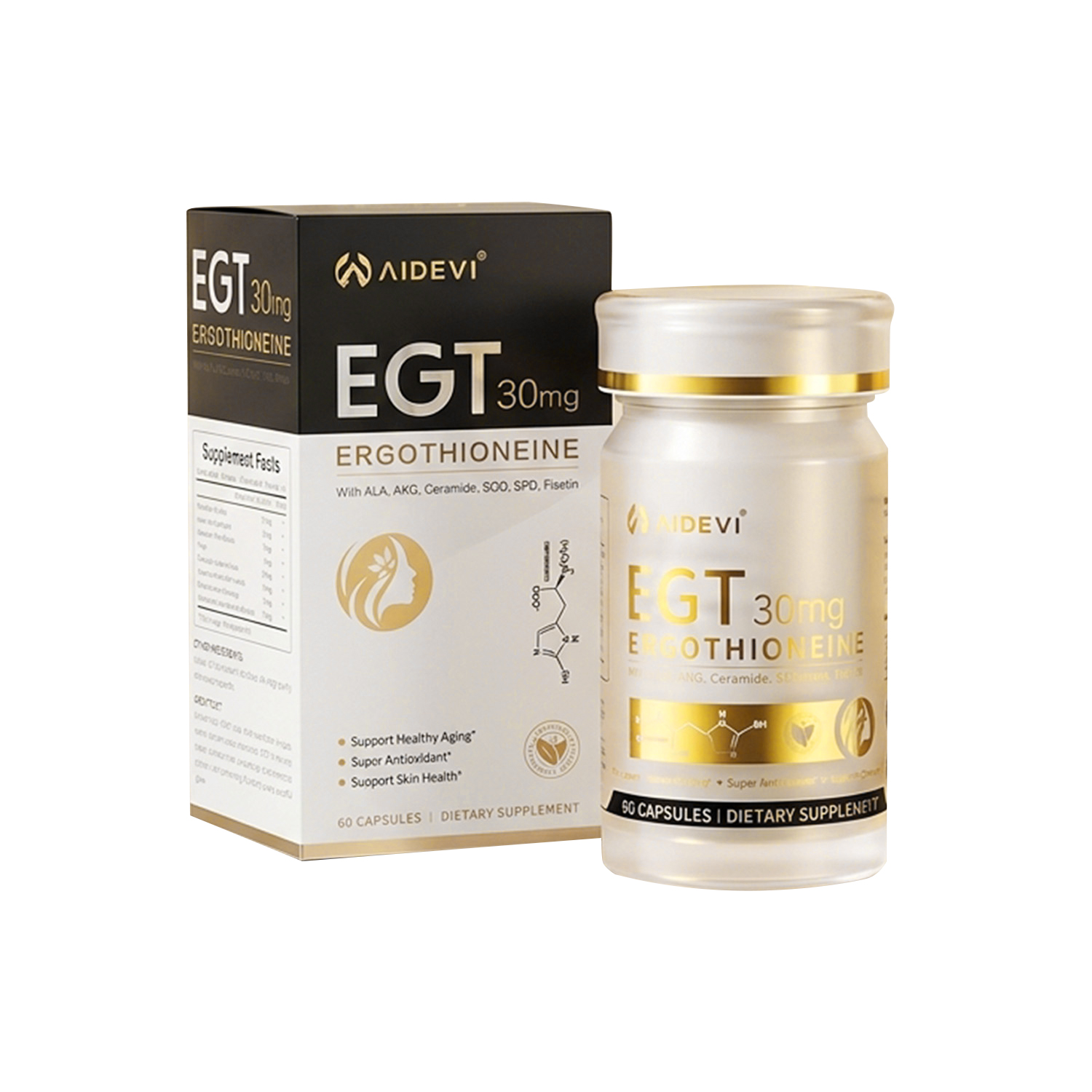
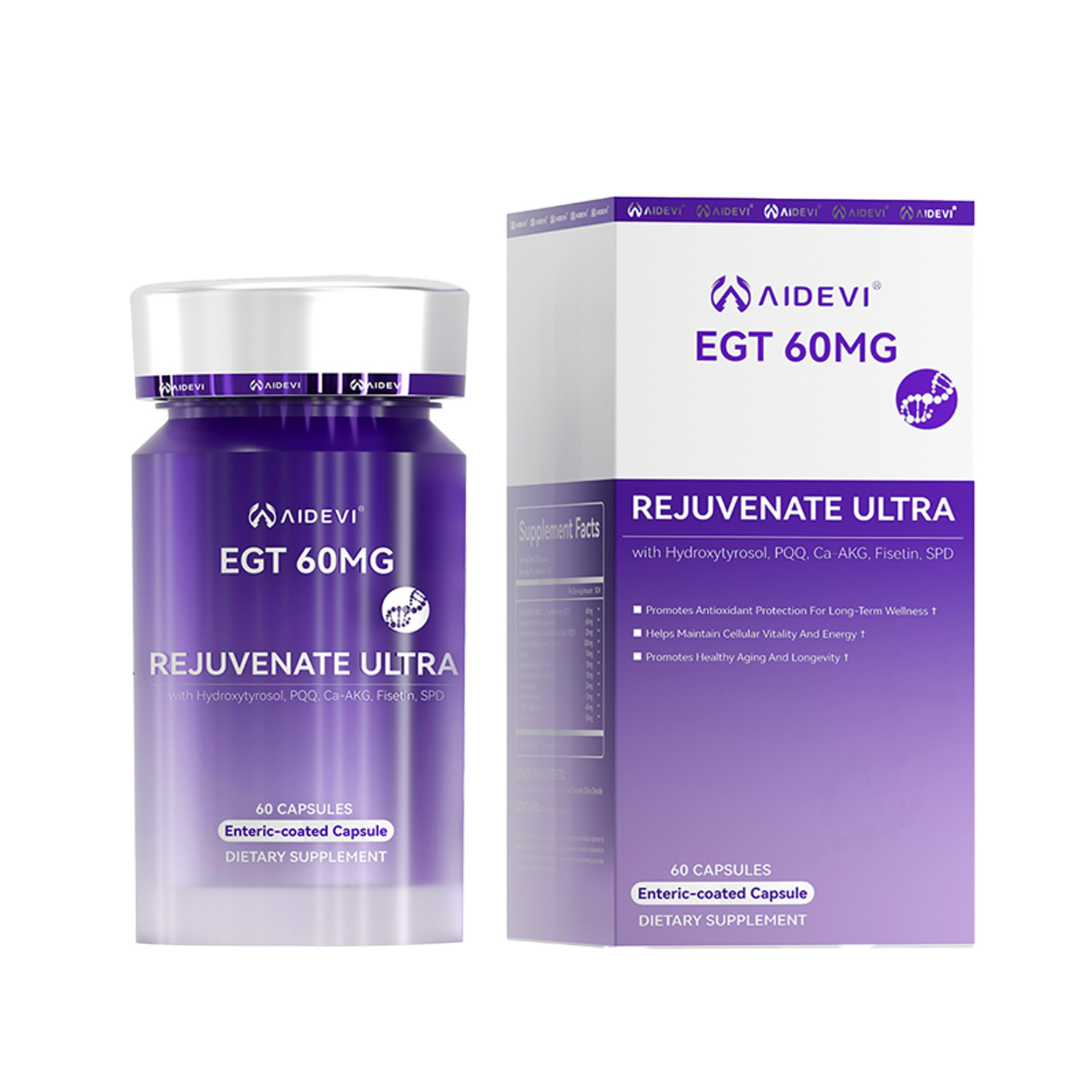
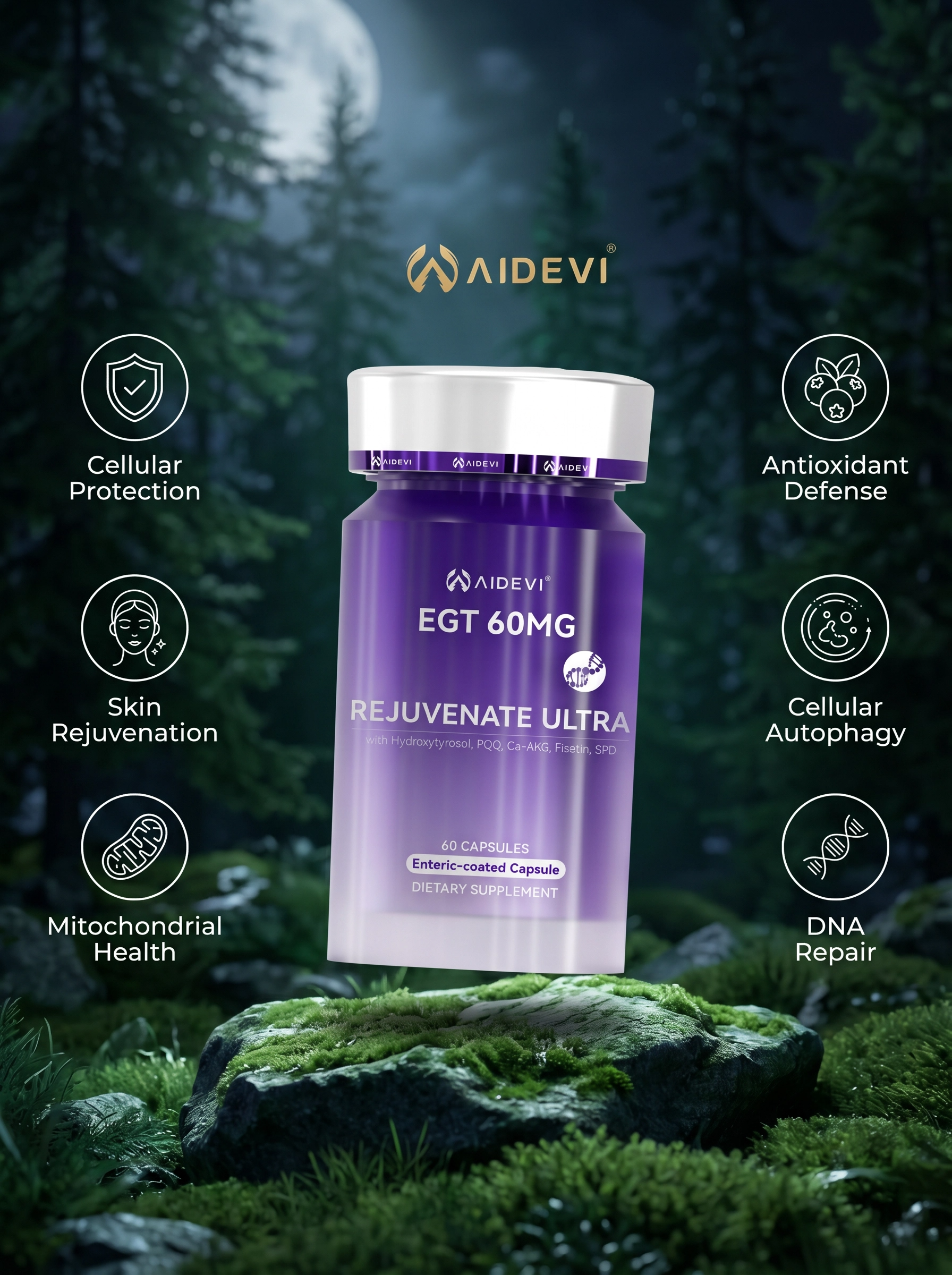
AIDEVI’s EGT Rejuvenate Ultra product page lists fisetin as one active in a multi-ingredient product. Its detailed Supplement Facts snapshot lists 10 mg of fisetin per two-capsule serving. That is a product-label fact, not evidence that the formula reproduces a clinical trial or provides a proven anti-aging effect. If the physical package differs from the website, use the package label and contact the manufacturer to clarify.
Common questions about fisetin
Does fisetin have proven anti-aging benefits?
No. Preclinical findings have created scientific interest, but current human studies do not establish that fisetin slows aging, extends lifespan, or clears senescent cells in healthy adults.
What is the best fisetin dosage?
There is no accepted general-wellness dose. Study amounts depend on the condition, product formulation, and schedule; ask a qualified healthcare professional instead of adopting a trial protocol.
Can I get the same amount from food?
Fisetin occurs naturally in some produce, but a food serving cannot be assumed to match the isolated amounts or formulations used in clinical studies.
A grounded way to evaluate fisetin
Treat fisetin as a promising research compound with early, varied human data—not a proven anti-aging supplement. Look for a clearly stated amount per serving, assess the whole formula, and keep medical decisions with your healthcare team. The most useful future studies will need larger and more diverse groups, longer follow-up, transparent safety monitoring, and outcomes that matter to people—not biomarkers alone.
References
- [1] Farsad-Naeimi A. et al. Effect of fisetin supplementation on inflammatory factors and matrix metalloproteinase enzymes in colorectal cancer patients. Food & Function. 2018.
- [2] Wang L. et al. Fisetin Prolongs Therapy Window of Brain Ischemic Stroke Using Tissue Plasminogen Activator. 2019.
- [3] Krishnakumar I.M. et al. Enhanced bioavailability and pharmacokinetics of a novel hybrid-hydrogel formulation of fisetin in healthy individuals. Journal of Nutritional Science. 2022.
- [4] Alipour M. et al. 12-weeks fisetin supplementation and interval resistance with aerobic training in men with obesity: a randomized controlled trial. 2026.
- [5] ClinicalTrials.gov. NCT06431932: Pharmacokinetics, Safety, and Efficacy of Fisetin.
- [6] U.S. Food and Drug Administration. Questions and Answers on Dietary Supplements.
These statements have not been evaluated by the Food and Drug Administration. This product is not intended to diagnose, treat, cure, or prevent any disease.
