

AIDEVI Wellness Guide
Fucoxanthin: Human Evidence, Safety & Supplement Labels
Fucoxanthin has been studied in people, but the evidence is still small and mixed. One often-cited weight-management trial tested fucoxanthin with pomegranate seed oil while participants followed a controlled diet, so its results do not prove that fucoxanthin alone causes weight loss. Short studies have not established a standard dose or long-term safety profile.

- Human trials exist, but they are short, use different algae sources and formulations, and involve relatively small groups.
- Weight changes in the Xanthigen study cannot be separated from pomegranate seed oil and a provided 1,800-calorie diet.
- A study dose is not a recommended dose. Check the amount of actual fucoxanthin per serving and the other ingredients.
What is fucoxanthin?
Fucoxanthin is a carotenoid pigment found in brown seaweeds and some microalgae. Supplements may use seaweed extracts or microalgae ingredients, and the amount of fucoxanthin can differ from the total weight of the extract. That distinction matters when comparing a label with a clinical study: “500 mg algae extract” does not mean “500 mg fucoxanthin.”
Laboratory and animal research has explored pathways related to energy use and fat metabolism. Those findings can explain why researchers study the ingredient, but they do not show that a supplement produces the same effect in people. For a shopper asking about fucoxanthin benefits, the human trials are the more relevant evidence—and they do not yet establish a reliable weight-loss effect.
What have human studies found?
The table below separates the formulations, study conditions, and limits. The outcomes should not be compared as if each trial tested the same supplement or enrolled the same kind of participant.
| Human study | What was tested | What it reported | How to read it |
|---|---|---|---|
| Xanthigen, 2010; 16 weeks | 151 obese, non-diabetic premenopausal women took part across weight-management and resting-energy-expenditure components. In the main weight-management comparison, Xanthigen combined 2.4 mg fucoxanthin with brown-seaweed extract and 300 mg pomegranate seed oil. Meals were provided at 1,800 kcal/day. | The combination arm reported mean weight reductions of 5.5 kg in the NAFLD group and 4.9 kg in the normal-liver-fat group. | A combination plus a controlled diet was studied. The result cannot establish what fucoxanthin alone contributed. [1] |
| Japanese seaweed-fucoxanthin trial, 2017; 4 weeks | 33 adults were assigned to placebo, 1 mg/day, or 3 mg/day; 27 completed, with 9 in each group. | The 3 mg group had lower relative body weight and BMI than placebo; some fat-area measures also differed. The paper reported no major blood-pressure, pulse, blood-test, or urinalysis abnormalities during the short trial. | Only nine people per group finished. The short study and multiple body-composition outcomes make this preliminary evidence, not a dependable dose guide. [2] |
| Metabolic-syndrome trial, 2023; 12 weeks | 28 adults diagnosed with metabolic syndrome were assigned fucoxanthin 12 mg/day or placebo. | The abstract reports before-and-after changes in weight and several metabolic measures in the fucoxanthin group. | This small, condition-specific trial does not establish the same effect in generally healthy supplement users or define an appropriate consumer dose. [3] |
| Microalgae trial during diet and exercise, 2024; 12 weeks | The paper reports 71 women randomized; 37 completed (18 fucoxanthin, 19 placebo). The active group received a microalgae extract providing 4.4 mg/day while both groups followed diet and supervised exercise plans. | Fucoxanthin did not add significant weight or fat loss over placebo. At week 6, four participants in the active group reported infrequent palpitations; no one withdrew because of supplement tolerability. | The high dropout rate and one specific microalgae formula limit certainty, but the primary weight-loss result was negative. The symptom report is a safety signal to interpret cautiously. [4] |
Study context matters, too. The 2017 paper lists its authors in the R&D division of the company that supplied the trial capsules. The 2024 trial disclosed industry funding and stated that sponsor personnel did not participate in data collection or statistical analysis. These disclosures do not invalidate a study, but they make independent replication especially useful when the evidence base is small. [2] [4]
Why the Xanthigen result does not prove fucoxanthin works alone
Xanthigen is frequently used to support strong fucoxanthin weight-loss claims, but the trial design calls for a narrower reading. The main weight-management formula contained both fucoxanthin-rich brown-seaweed extract and pomegranate seed oil. Participants also followed a controlled 1,800-calorie meal plan, with food provided. Those factors make it impossible to assign the full weight change to fucoxanthin by itself.
The same 2010 research included a separate resting-energy-expenditure component with very small ingredient subgroups. A change in resting energy expenditure is not the same outcome as sustained fat loss, and groups of only a few participants cannot settle what an everyday supplement will do. Later trials have used other formulations and populations; the 2024 microalgae study did not find extra weight or fat loss when the ingredient was added to a diet-and-exercise program. [1] [4]
Taken together, the evidence is not consistent enough to promise that fucoxanthin supplements cause weight loss. It is also not enough to identify a best fucoxanthin supplement by dose alone. The plant or algae source, extraction, standardization, other ingredients, and trial population can all differ.
What is known about fucoxanthin side effects and safety?
The available trials offer only a short-term snapshot. The NIH Office of Dietary Supplements notes that fucoxanthin safety has not been thoroughly evaluated in humans. No adverse effects were reported by participants using Xanthigen in the 2010 study, and the 2017 trial did not find major changes in the measured vital signs or lab tests. Those observations are reassuring only for the particular products, participants, and study periods—not proof that every fucoxanthin supplement is safe for long-term use. [5]
In the 2024 trial, four people taking the microalgae extract reported infrequent heart palpitations at the six-week check. This was a self-reported finding in a small study and does not prove fucoxanthin caused the symptom, but it should not be erased from a discussion of possible side effects. The study was not long or large enough to identify uncommon or delayed problems. [4]
There is no established fucoxanthin dose for weight loss, no proven long-term safety limit, and limited information about interactions. Ask a qualified healthcare professional before use if you take medication, have a medical condition, are pregnant or nursing, or are considering a supplement for someone under 18. Stop and seek medical advice if you experience a concerning reaction. Do not use study doses as personal dosing instructions.
How can you read a fucoxanthin supplement label?
Start with the Supplement Facts panel, then compare the specific ingredient and serving information rather than the front-of-bottle headline. In the United States, supplement labels include a Supplement Facts panel, and FDA does not approve dietary supplements for safety and effectiveness before they are marketed. An FDA facility registration or a bold “clinically studied” phrase is not proof that the finished product works. [6]
| Check | What to look for | Why it matters |
|---|---|---|
| Fucoxanthin amount | A clear amount of fucoxanthin per serving, separated from the total extract weight where possible. | An extract amount is not the same as the amount of its active carotenoid. |
| Source and standardization | The named seaweed or microalgae source and a description of how the extract is standardized. | Different sources and formulas are not automatically equivalent to study materials. |
| Other ingredients | Oil, other botanicals, stimulants, and blend totals; note whether individual quantities are disclosed. | A combination product cannot be evaluated as if it contained fucoxanthin alone. |
| Quality documentation | A current certificate of analysis or independent testing details that identify the batch and what was tested. | Testing can address identity or contaminants when documented; it does not establish a health benefit. |
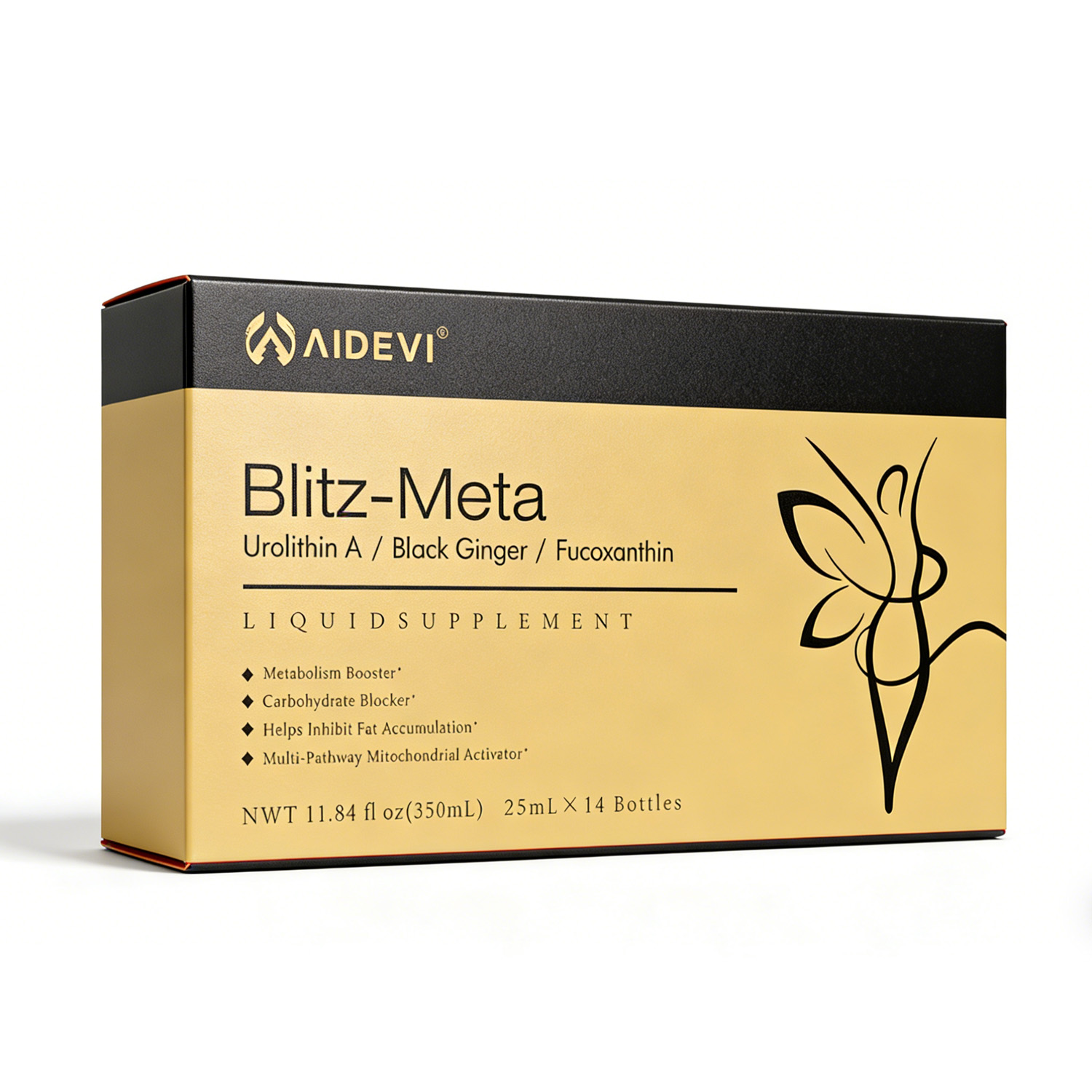
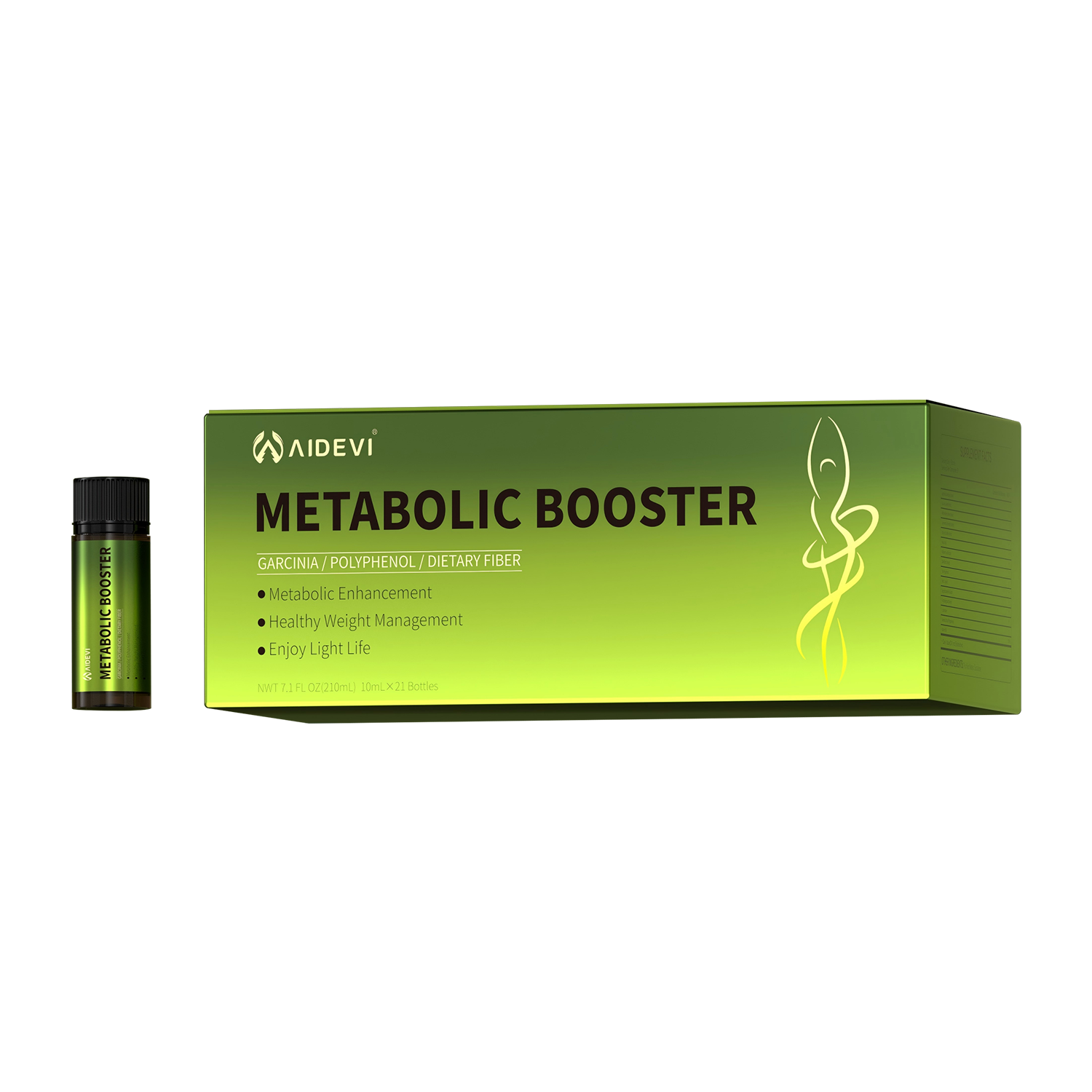
AIDEVI’s Blitz-Meta product page lists fucoxanthin as one ingredient in a multi-ingredient formula. The public page reviewed for this article does not show a separate fucoxanthin amount. That means readers cannot use the product page alone to match its formula to a standalone trial dose, and results from a study ingredient should not be treated as a proven result for the full product.
Frequently asked questions
Does fucoxanthin help with weight loss?
Human findings are mixed. A combination product showed weight changes in one controlled-diet study, a small Japanese trial reported changes in selected measures, and a later diet-and-exercise trial found no additional weight or fat loss from its microalgae extract. Fucoxanthin is not a proven stand-alone weight-loss treatment.
What dose of fucoxanthin is proven?
No dose has been established as effective and appropriate for general weight loss. Studies tested different extracts and amounts, including 1–3 mg/day, 2.4 mg/day in a combination formula, 4.4 mg/day from microalgae, and 12 mg/day in a small metabolic-syndrome trial. These are research conditions, not dosing recommendations.
What are common fucoxanthin side effects?
There is not enough human research to define a reliable list of common effects. Some short trials reported no major measured problems, while one trial recorded infrequent palpitations in four participants at a follow-up. Limited reporting does not rule out other or longer-term effects.
A practical way to decide
Treat fucoxanthin as an ingredient with early human research rather than a guaranteed metabolism or weight-loss solution. Before choosing a supplement, look for a disclosed amount of fucoxanthin, check the source and the rest of the formula, and consider what the safety evidence does not yet answer. If the dose is hidden or your health situation is complex, ask the manufacturer for product documentation and your healthcare professional for personal advice.
References
- [1] Abidov M. et al. The effects of Xanthigen in the weight management of obese premenopausal women. Diabetes, Obesity and Metabolism. 2010.
- [2] Hitoe S., Shimoda H. Seaweed fucoxanthin supplementation improves obesity parameters in mildly obese Japanese subjects. Functional Foods in Health and Disease. 2017.
- [3] López-Ramos A. et al. Effect of Fucoxanthin on Metabolic Syndrome, Insulin Sensitivity, and Insulin Secretion. Journal of Medicinal Food. 2023.
- [4] Kreider R.B. et al. Effects of Supplementation with Microalgae Extract from Phaeodactylum tricornutum during a 12-week weight-management intervention. 2024.
- [5] NIH Office of Dietary Supplements. Dietary Supplements for Weight Loss: Health Professional Fact Sheet.
- [6] U.S. Food and Drug Administration. FDA 101: Dietary Supplements.
These statements have not been evaluated by the Food and Drug Administration. This product is not intended to diagnose, treat, cure, or prevent any disease.
