




How to Track nmn Results: Build an Honest Before-and-After Log
A useful NMN before-and-after log starts with one clear question, a representative baseline, and the same measure recorded in the same way. It can help you see whether a personal pattern appeared while you used a product, and what else changed at the time. It cannot prove that NMN caused the pattern, predict another person’s result, or replace medical advice.

Keep the record small and honest: choose one primary outcome, write down the product and routine, note major context changes, and decide in advance how you will review the full set of entries. Leave missed days blank. A personal log can show an observation worth discussing; it is not a clinical trial and does not establish cause.
What can an NMN before-and-after log tell you?
A personal log can help answer a narrow question such as “Did my afternoon energy rating change during this period?” or “Was my routine easy to follow?” It can also show whether sleep, caffeine, training, travel, illness, or another supplement changed at the same time. That context makes your own review, or a conversation with a healthcare professional, more specific.
A home log is different from a formal single-patient study. A formal N-of-1 study uses a planned research design, defined outcomes, and often repeated or randomized periods with research or clinical support. A notebook usually observes one sequence of life events without a comparison condition. It can help you organize observations, but it cannot isolate the cause of a change.[1]
Keep three questions separate: what NMN is biologically connected to, what a test measures, and what you notice in daily life. A change in a blood marker does not automatically mean a person feels different. A personal impression does not show that a laboratory marker changed. For a summary of human NMN evidence and its limits, see AIDEVI’s NMN results and research guide.
There is no universally validated consumer tracking period that guarantees an NMN result. One randomized study in older adults measured participants at baseline and weeks four and twelve; the primary stepping-test outcome did not differ significantly between groups at either follow-up, while some secondary outcomes at week twelve did. Study checkpoints describe the researchers’ plan, not a personal deadline for a benefit.[3] If you want a calendar-based review framework, use AIDEVI’s 30-, 60-, and 90-day NMN guide; it is a planning aid, not a clinical timeline.
How do you choose one outcome to track?
Write the question before you look for a result. “Is NMN working?” is too broad: it might mean energy, sleep, exercise, a lab value, or general wellness. Choose one primary outcome that matters to you and can be recorded consistently. Keep other observations as context rather than turning every change into a success measure.
Make the outcome concrete. If you want to observe perceived afternoon energy, choose the same time of day and use the same simple scale each time. If you care about sleep, select a measure you can record consistently, such as bedtime, wake time, or how rested you feel on waking. These notes are personal observations, not diagnostic tests.
Decide what will count as a usable comparison. For example, you might compare the same time window on ordinary weekdays and mark travel, illness, or unusually short sleep. Define this rule before reviewing the entries. Your rule helps prevent cherry-picking; it is not a medical cutoff or proof of a supplement effect.

A short, repeatable note is easier to compare than a changing story about how the week felt. If you are unsure what is realistic to track, start with the decision you are trying to make: whether the routine is convenient, tolerated, and worth continuing for your priorities. Do not use a personal log to self-diagnose persistent fatigue, sleep problems, or another health concern.
How do you build a fair baseline?
A fair baseline resembles ordinary life, not an unusually poor week selected after the fact. If you begin recording after an illness, a period of poor sleep, or a major routine change, a return toward your usual pattern could look like a supplement effect. Memory can also give the worst days before and the best days after extra weight.
Note your usual sleep, caffeine, activity, meal pattern, other supplements and medicines, and any symptoms already present. Include weekdays and weekends if they differ. There is no NMN-specific baseline length established for consumer self-tracking; use enough ordinary observations to understand your normal variation, and follow any monitoring advice from your healthcare professional.
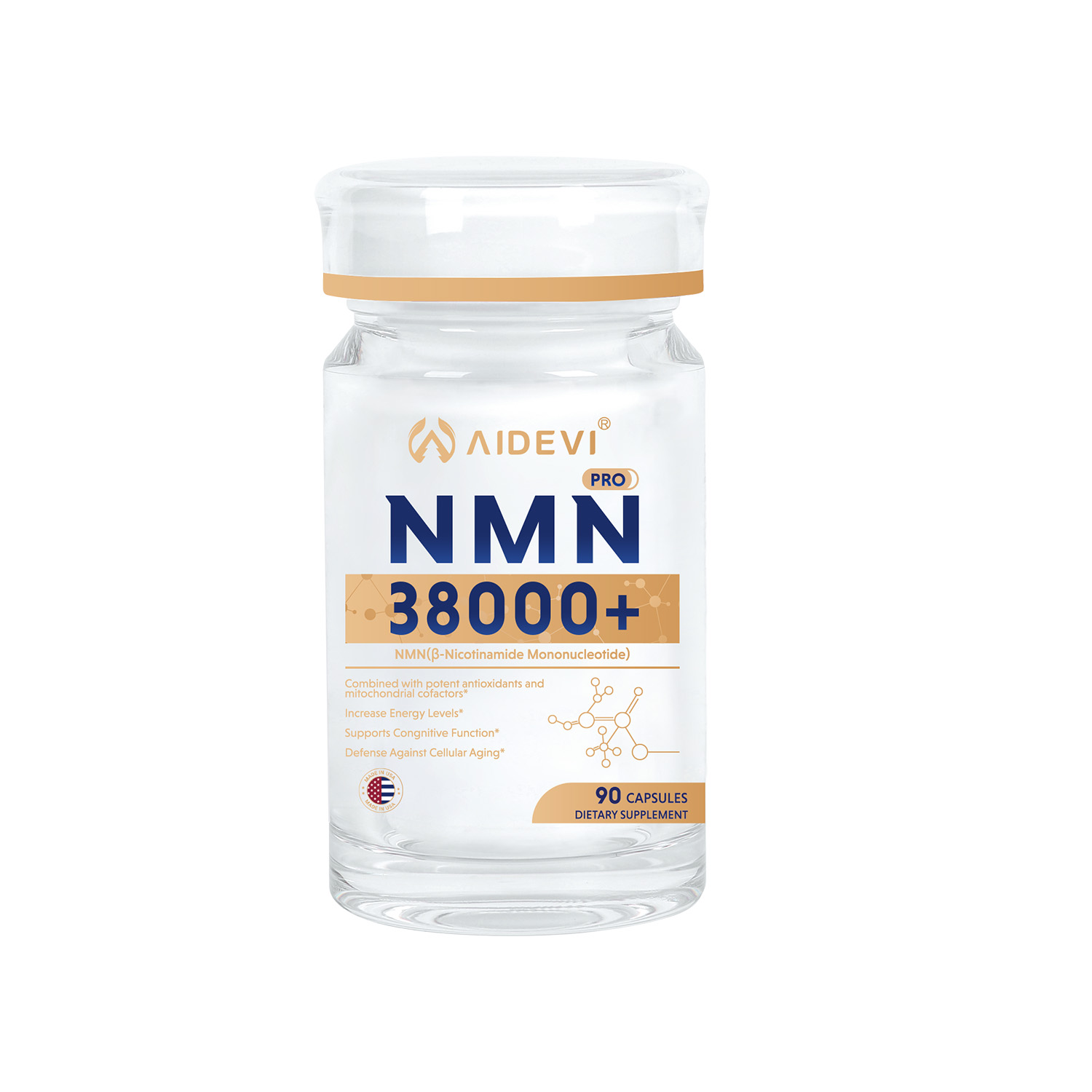
Record the exact product name, the form and serving shown on its current label, the date you began, missed or changed days, and the lot or batch number if available. Keep a label photo or the container. Batch documentation can clarify information about the product, but it cannot predict how you will feel. AIDEVI’s NMN certificate-of-analysis guide explains what batch-linked records can and cannot show.
What should you record each day?
Keep the log brief enough that you will actually use it. Capture the outcome and only the context that can help interpret it. Do not try to record every detail of your life; too many fields can make the routine hard to maintain and can encourage searching through many measures for a favorable result.
| Log field | What to write | Why it helps |
|---|---|---|
| Primary question | One outcome and the exact way you will record it. | Keeps the goal from shifting after you see the data. |
| Product routine | Product, label serving, date, missed or changed days, and lot if available. | Shows what you actually took and when. |
| Outcome | The same rating or observation, at the same time and in the same format. | Makes entries easier to compare. |
| Context changes | Sleep, caffeine, illness, travel, stress, training, meals, or another routine change. | Flags factors that may also affect the outcome. |
| Review note | Missing entries, disrupted days, and your pre-set review rule. | Separates what happened from your interpretation. |
A simple daily row might look like this:
| Date | Routine followed? | Primary outcome | Context note |
|---|---|---|---|
| ________ | Yes / No / Changed | Same measure and scale | Sleep, caffeine, travel, illness, stress, or training |
| ________ | Yes / No / Changed | Same measure and scale | Sleep, caffeine, travel, illness, stress, or training |
Leave missed entries blank rather than guessing. Mark disrupted days instead of deleting them because they complicate the pattern. If a medically useful change is needed, make it and record the change; a neat log is never a reason to postpone care or alter prescribed treatment.
How can you review the log without cherry-picking?
Read the full sequence, not only the best “after” day. Check whether you followed the same routine, compare entries collected in similar circumstances, and apply the review rule you wrote down beforehand. A weekly summary can make ordinary fluctuations easier to see, but averaging does not remove confounding or prove cause.
| Pattern in your notes | What the log supports | What it cannot prove | Reasonable next step |
|---|---|---|---|
| A repeated change while the routine stayed similar | A personal pattern worth reviewing. | That NMN caused it or that it will occur for others. | Discuss the notes in context; avoid turning them into a health claim. |
| No clear change in the chosen outcome | Your log did not show a clear difference under these conditions. | That no biological change occurred or that nobody could respond. | Revisit your goal, cost, routine, and professional guidance before deciding whether to continue. |
| Several routine changes overlapped | The period is difficult to interpret. | Which one change explains the result. | Mark the result as unclear; do not invent a cleaner explanation later. |
| A concerning or worsening symptom | The routine needs a safety review. | That it is safe to keep testing until the cause is certain. | Stop the supplement and seek appropriate medical advice; do not deliberately restart it to test a theory. |
A neutral result is useful information. It may mean the chosen outcome varies too much, the routine was inconsistent, several changes overlapped, or the expected effect is not established. You do not need to keep taking a supplement indefinitely or increase the serving to make the log look more decisive.
Can a wearable prove that NMN changed your sleep?
No. A wearable can help you observe trends when used consistently, but its estimates do not establish what caused a change or replace a clinical assessment. In a 2025 study, researchers compared six consumer wrist-worn sleep devices with polysomnography in 62 adults. Agreement varied across devices and measures, which is a reason to treat wearable output as an estimate rather than a definitive sleep result.[2]
If you include device data, keep the device, measurement window, and metric consistent. Note software updates, missing nights, and schedule changes. Avoid reading a single night or a sleep-stage score as proof that NMN helped or harmed you. Keep device estimates separate from observations such as bedtime and how rested you felt. If the two disagree, record that instead of choosing the one that supports your expectation.

For broader research context, AIDEVI’s NMN before-and-after evidence guide reviews what human studies measured. This page is about personal record keeping; it does not repeat the study timeline or recommend a dose.
When should you stop self-tracking and ask for help?
Do not use a tracking plan to delay care for a new, persistent, worsening, or severe symptom. The FDA advises consumers who experience an adverse event while taking a dietary supplement to stop using it and seek medical care or advice. It also notes that supplements may interact with medicines or have effects around surgery.[4] Do not stop or change a prescribed medicine to make a comparison easier.
Ask a healthcare professional or pharmacist to review the full label and your medication list before changing a supplement routine if you take medicines, manage a health condition, are pregnant or nursing, or are preparing for a procedure. Bring the product, label, dates, and notes. If you have a severe symptom such as chest pain, fainting, trouble breathing, or sudden neurological changes, seek urgent medical care rather than continuing to collect data.

Frequently asked questions
Is an NMN before-and-after log a clinical trial?
No. It is personal tracking. A formal N-of-1 study uses a planned research design and may involve repeated or randomized periods, defined measures, and research or clinical support. A home log can organize observations, but it cannot provide the same evidence about cause.
How long should I track NMN before deciding?
There is no universally validated NMN self-test duration for consumers. Choose a review point that fits the specific outcome and any healthcare professional’s advice. A calendar checkpoint helps organize notes; it does not promise that a benefit should appear by that date.
How many outcomes should I record?
Choose one primary outcome and only a few context notes that help interpret it. Tracking many outcomes makes it easier to find a coincidental change after the fact. Label secondary observations as context, not proof of benefit.
Can a smartwatch show that NMN improved my sleep?
No. A smartwatch may help you follow a trend when used consistently, but its estimates vary and cannot establish what caused a change. Keep device data separate from your own observations and do not use it to diagnose a sleep condition.
Should I restart NMN to see whether a symptom comes back?
Do not deliberately restart a supplement after a concerning reaction just to test causality. Stop the product and seek medical care or advice, especially if symptoms persist, worsen, or feel severe. Never change prescribed treatment without the prescriber.
References
- Kaplan HC. et al. “Understanding How to Use Single-Patient Studies to Answer Patient-Identified Research Questions.” Patient-Centered Outcomes Research Institute (2022). PubMed.
- Schyvens A-M. et al. “A performance validation of six commercial wrist-worn wearable sleep-tracking devices for sleep stage scoring compared to polysomnography.” Sleep Advances (2025). PubMed.
- Morifuji M. et al. “Ingestion of β-nicotinamide mononucleotide increased blood NAD levels, maintained walking speed, and improved sleep quality in older adults.” GeroScience (2024). PubMed.
- U.S. Food and Drug Administration. “FDA 101: Dietary Supplements.” FDA.
Individual results may vary. Consult a healthcare professional before starting any new supplement, especially if pregnant, nursing, taking medication, or managing a medical condition. These statements have not been evaluated by the Food and Drug Administration. This product is not intended to diagnose, treat, cure, or prevent any disease.
